A simple explanation of my whole-body approach.
A simple explanation of my whole-body approach.
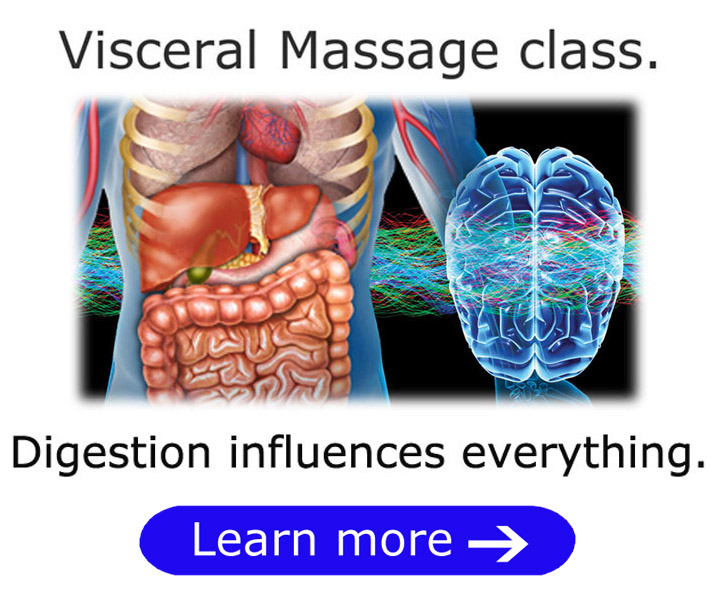
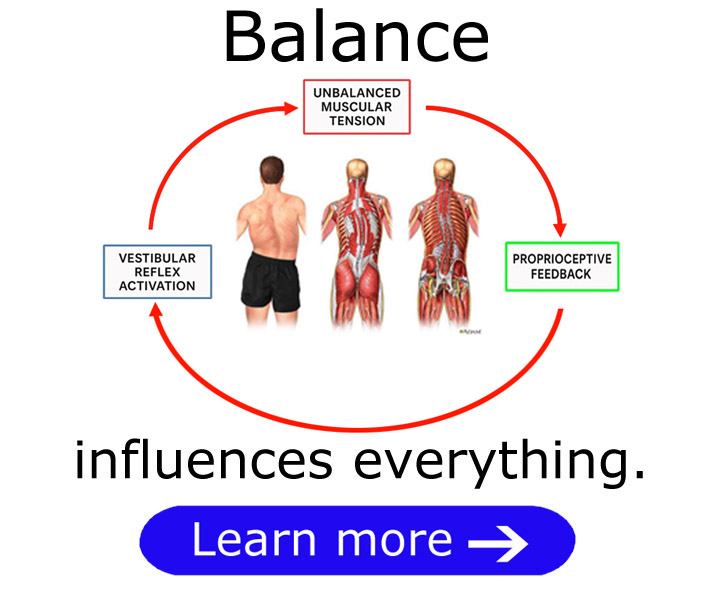
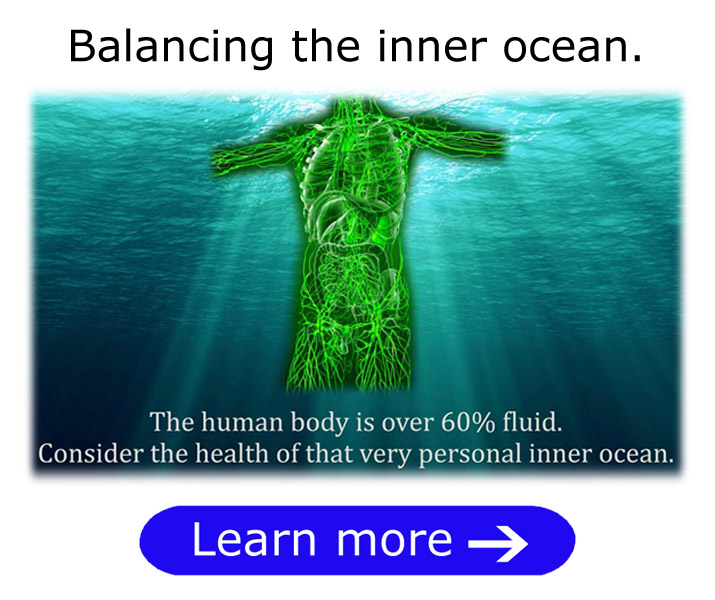
This short video offers an overview of my whole-body approach, in which the musculoskeletal, visceral, and lymphatic systems work together, each influencing the others as part of the body’s orchestration of movement.
This same approach carries into the sequence of the classes, where each component is introduced in a specific order, building on the previous one. By the time you reach the lymphatic system, you are more able to see how the body works as a whole rather than as separate parts, and how the combination of these three approaches creates a level of effectiveness that is difficult to achieve when each is used in isolation.
Worth noting… once core and visceral balance has been encouraged, work in the extremities often becomes more efficient and effective.
I could present this material as a four-day class. But in my experience, after two or three full days in a row, most people begin to lose clarity.
My goal is not just to introduce these ideas, but for you to really understand them and make them your own.
For that reason, the classes are spaced out, giving you time to practice, review, and begin applying what you’ve learned before moving on to the next step. Many therapists find that repeating a class deepens that understanding even further.
These techniques can be woven into any manual therapy session or approach.
Stated simply:
By reducing core background tension, what I think of as 'tensional interference'...you support and unleash the body’s natural ability to heal and adapt.
When someone presents pain, it is usually safe to assume the body has already adapted in some way.
Very often, that adaptation is held in the core.
Until that deeper tension returns to balance, we are simply chasing symptoms.
By the core, I mean the central region of the body where the spine, pelvis, abdominal viscera, and surrounding tissues coordinate balance and movement for the entire system.
Part of the reason is that the core and the extremities constantly influence one another.
Tension held in the core affects the arms, legs, and spine, and strain in the extremities feeds back into the core.
The body is always adapting to itself.
----------------------------------
I prefer simple, efficient, and effective.
Over the years, by respecting and listening to these core patterns and preferring approaches that are both simple and effective, I gradually distilled my understanding into three short phrases.
Find it.
Feel it.
Fix it.
Classes-2026
 |
||
|
|
||
|
Core Rebalancing class in Reno. Saturday, May 23rd |
||
 |
||
|
|
||
 |
||
|
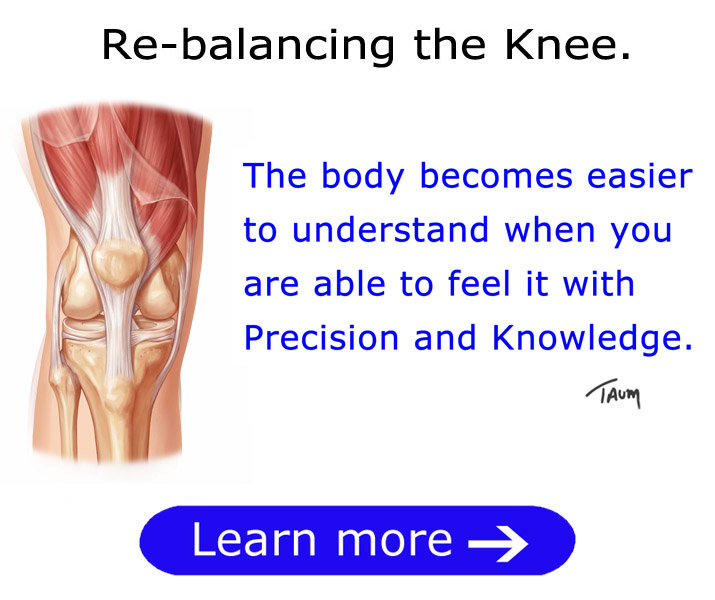
Rebalancing the Knee: Phoenix, AZ Saturday-Sunday, July 18-19 |
||
 |
||
| ♦♦♦♦♦♦♦♦♦♦♦♦♦ | ||
|
|


...and it becomes easier, more efficient, and far more effective when we realize that our job isn’t to force change.
Our job is to help the body get unstuck and return to what it already knows how to do.
When we work with the body’s natural programming, the results become more consistent, impactful, and lasting.
Lauren Berry often reminded us that the body is smarter than we are—we simply need to listen.
The Berry Method® doesn’t treat the body as a collection of isolated parts. It works with the body as a whole, recognizing it as a dynamic, responsive system governed by fluid movement, structural balance, and natural rhythms.
Taum's approach is hands-on, focused, and highly effective. His classes include practical techniques that address not just muscles and fascia, but also visceral tension, joint mechanics, and fluid systems—all of which contribute to stuck patterns and systemic imbalance.
Whether you’re a massage therapist, bodyworker, or movement professional, these classes will equip you to work with the body in a smarter, more integrative way, supporting true whole-body healing and long-lasting results.
It serves us to remember a qoute Lauren often repeated:
“I am not a healer. I’m just a good mechanic.”
That simple statement points to something important.
It is not us doing the healing.
It is this amazing body.
Many of us who have been in this work long enough to witness the results in our live sessions recognize a reality we often share. We are not working in isolation. We are joining a lineage that is bigger than any one of us, something we step into and carry forward, not as something to be taught down, but as something to be shared.
For those considering any of my classes, it’s worth noting that Lauren’s whole-body approach often produces results that surprise even experienced practitioners.
I suggest you get used to it.
The Berry Method® of Corrective Massage forms the foundation of Taum Sayers’ clinical practice and is taught throughout his classes.
This work honors the lineage and teachings of Lauren Berry Sr., Structural Engineer and Registered Physical Therapist (RPT), whose structural and functional insights continue to inform the hands-on approach shared with students.